
The modern digital landscape is moving at a breakneck speed, forcing both enterprises and individual creators to constantly adapt to emerging paradigms. To stay competitive, understanding the shift isn’t enough; you must master the practical applications of these developments. Whether you are managing a burgeoning tech startup, optimizing an enterprise-level infrastructure, or simply trying to make sense of the latest software releases, navigating this dynamic environment requires a strategic approach.
In this comprehensive guide, we will break down the essential trends shaping our digital future, explore actionable methodologies for integration, and provide a clear roadmap to help you leverage modern technology effectively without getting overwhelmed by the noise.
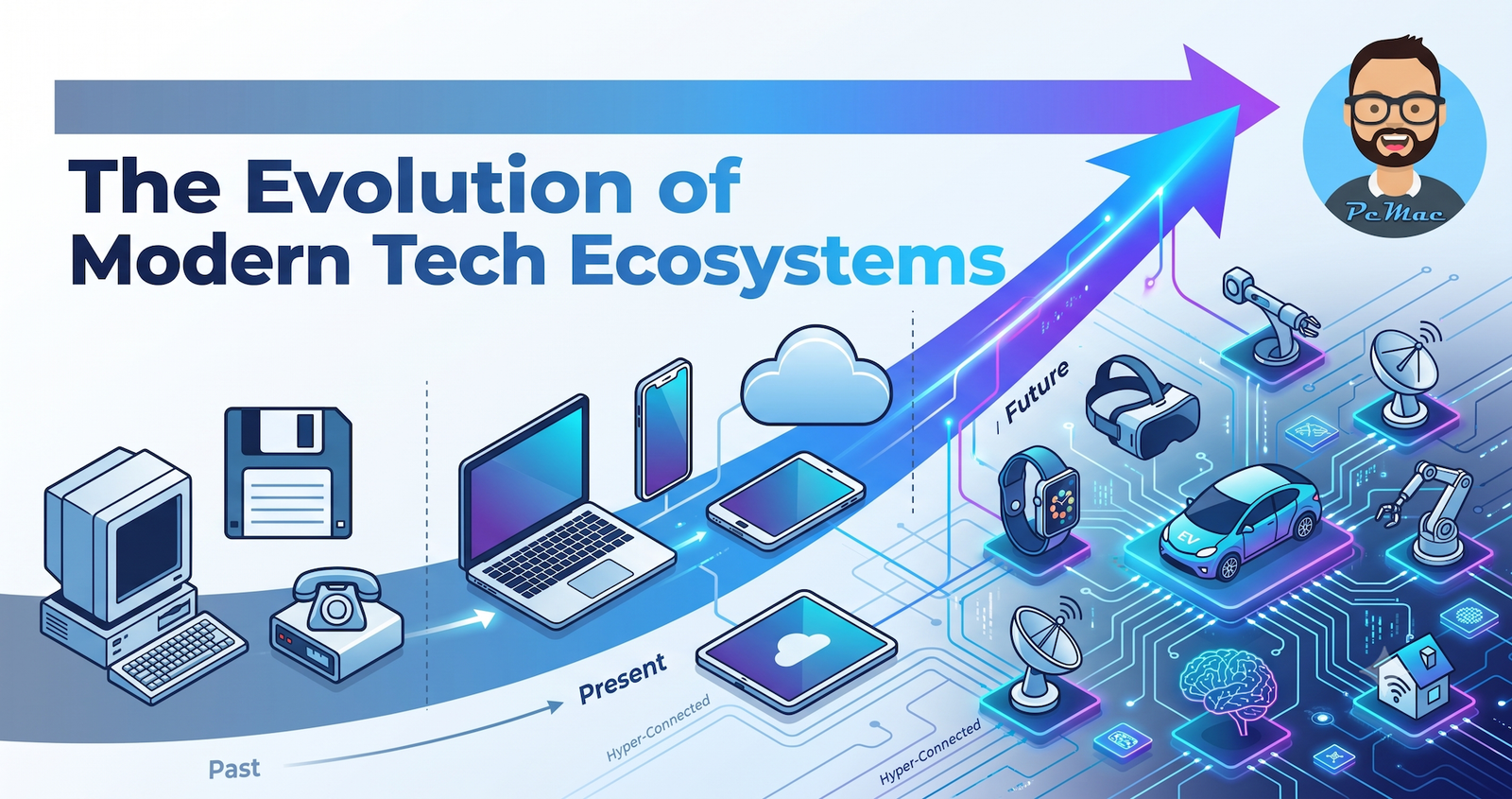
The Evolution of Modern Tech Ecosystems
Over the past few years, we have witnessed a fundamental transformation in how digital tools are built, deployed, and scaled. Gone are the days of monolithic architectures and isolated software packages. Today, interconnected ecosystems rule the day, driven by cloud-native solutions, automation, and decentralized processing capabilities.
This shift brings both unprecedented agility and unique complexities. Organizations are no longer just asking whether a tool works; they are evaluating how seamlessly it integrates with existing pipelines, how secure its supply chain is, and whether it can scale dynamically to meet fluctuating demands.
Key Drivers of Current Technological Growth
Several underlying forces are propelling this evolution forward:
- Hyper-Automation: Routine and repetitive workflows are increasingly being handed over to intelligent systems, freeing human capital for creative and strategic endeavors.
- Data-Centric Decision Making: Real-time analytics have transitioned from a luxury to a baseline requirement for operational survival.
- Security-First Mindset: With cyber threats growing more sophisticated, security is being integrated into the earliest stages of development rather than applied as an afterthought.
- User-Centric Design: Complex technologies are being wrapped in intuitive interfaces, dramatically lowering the barrier to entry for non-technical users.
Practical Implementation Strategies
Adopting new technologies simply because they are trendy is a recipe for wasted budgets and operational friction. To extract genuine value from modern advancements, you need a disciplined, step-by-step approach to evaluation and deployment.
Here is a proven framework you can follow to integrate new tools or methodologies into your existing workflows:
- Audit Your Current Stack: Before introducing anything new, catalog your existing hardware, software, and procedural bottlenecks. Identify the exact pain points you need to solve.
- Define Clear Objectives: Establish measurable Key Performance Indicators (KPIs). Are you looking to reduce latency, cut operational costs, or improve user engagement by a specific percentage?
- Run Controlled Pilots: Never roll out a system-wide change overnight. Test solutions in a sandbox environment or with a small, cross-functional pilot team.
- Gather Feedback and Iterate: Collect qualitative and quantitative data from your pilot users. Refine your processes before scaling up to the broader organization.
- Establish Continuous Training: Technology is only as good as the people operating it. Invest in ongoing education to ensure your team remains proficient as systems evolve.
Overcoming Common Adoption Hurdles
Even with the best planning, introducing modern technologies often comes with friction. Anticipating these roadblocks can save your team months of frustration and stalled projects.
Managing Resistance to Change
Human psychology is naturally wired to resist disruption. When employees or stakeholders are comfortable with legacy systems, asking them to adopt new platforms can trigger pushback.
To combat this, focus on transparent communication. Explain not just *what* is changing, but *why* it benefits the individual. Show them how the new technology eliminates tedious tasks, reduces stress, and opens up avenues for professional growth.
Avoiding Tool Fatigue
It is easy to fall into the trap of subscribing to dozens of specialized applications, resulting in fragmented communication and siloed data. This phenomenon, known as tool fatigue, actually harms productivity rather than helping it.
To keep your digital workspace clean:
- Prioritize platform solutions that offer robust integration capabilities over niche, standalone apps.
- Regularly audit your software subscriptions to eliminate redundant tools.
- Ensure single sign-on (SSO) and centralized access management are implemented to streamline the user experience.
Future-Proofing Your Digital Strategy
Looking ahead, the pace of technological advancement is only going to accelerate. While predicting the exact tools of tomorrow is impossible, you can build a resilient framework that adapts gracefully to whatever comes next.
Future-proofing is less about buying the newest gadgets and more about fostering a culture of adaptability. Encourage experimentation, reward creative problem-solving, and maintain a modular infrastructure that allows you to swap out components without disrupting your core operations.
Conclusion
Navigating the modern technological landscape requires a careful balance of enthusiasm and pragmatism. By focusing on core business objectives, following a structured implementation methodology, and keeping your team’s needs front and center, you can turn complex technological shifts into powerful competitive advantages.
Stay curious, keep evaluating your systems critically, and remember that technology is ultimately a tool designed to empower human potential.


